
Your AC may not be turning on because it is not receiving the signal it needs to start. Common causes include a tripped circuit breaker, thermostat issues, or a clogged air filter. Problems with the outdoor unit, like a failing capacitor or blocked coils, can also prevent it from running.
At All Services Air Conditioning, we help homeowners tackle these issues with care and expertise. We guide you through each step, so you know what to check and when to call for help.
Here are some common reasons why your AC is not turning on:
Tripped Circuit Breaker
Sometimes the AC refuses to start because the circuit breaker has tripped. On hot days, the system draws more power than usual, and the breaker flips to protect the wiring. The room feels still and warm, and the unit remains silent.
Resetting the breaker often brings it back to life, but repeated trips could indicate a deeper electrical problem that needs careful attention.
Power Supply Issues
If the AC is not receiving proper power, it will stay off. Loose wiring, blown fuses, or a disconnected plug can quietly prevent the system from starting.
Even a small disruption in electricity can keep the AC silent, and without steady power, the cooling process cannot even begin. A thorough check of connections often reveals the culprit.
Faulty Thermostat
The thermostat acts as the command center. If it is broken, the AC may not receive the signal to turn on. Sometimes the batteries are dead, or the sensor is misreading the room temperature entirely.
The unit remains quiet, even on the hottest days, until the thermostat is repaired or replaced. Once it functions correctly, the AC responds immediately.
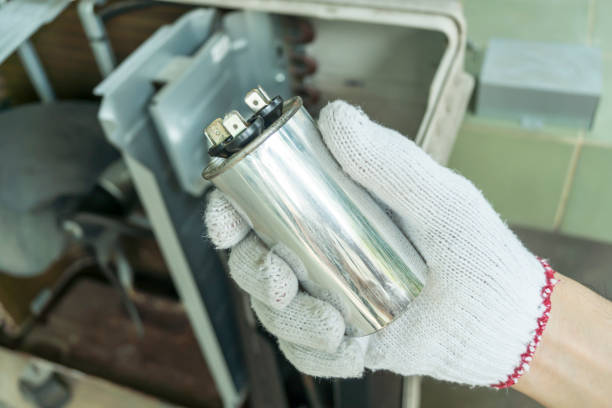
Blown Capacitor
The capacitor helps the AC start its motors. If it fails, the system may sit idle and refuse to switch on. A humming sound or complete silence often accompanies a bad capacitor. Replacing it usually restores life to the unit, letting it start smoothly and cool effectively again.
Frozen Safety Switch
Some ACs have safety switches that prevent operation if certain internal issues arise, like frozen coils or water overflow. If the switch is tripped, the system won’t start until the underlying problem is resolved. It can be frustrating to watch the unit remain off, but the switch is a silent guardian, preventing bigger damage.
Failed Contactor or Relay
The contactor and relay act like the AC’s on-off switch. If they fail, electricity cannot reach the motors, leaving the system unresponsive. The unit may appear perfectly healthy from the outside, but internally, it cannot engage. A professional check can confirm the problem and replace the faulty part.
Initial Checks That Homeowners Should Try First
Before calling a professional, there are a few gentle steps you can take at home. These checks are simple and often reveal small issues that can stop the AC from turning on. Take your time and move through each step slowly.
Here are some initial checks that you should be able to perform on your own:
Check the Thermostat
Start by looking at your thermostat. Make sure it is set to “cool,” and the temperature is lower than the room temperature. If it uses batteries, try replacing them. Sometimes a simple reset brings the system back to life.
Reset the Circuit Breaker
Walk to your breaker panel and see if the switch for your AC has flipped. If it has, turn it off and then back on. This can restore power to the unit. If it trips again right away, do not force it. That could mean a deeper electrical problem.
Quick Tip:
- Keep an eye on when the breaker trips. If it happens often, especially on hot days, it may indicate the system is drawing too much power or needs a professional check.
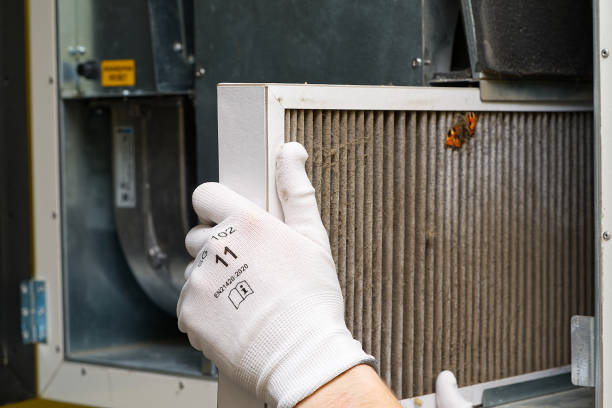
Inspect the Air Filter
A clogged air filter can stop your AC from running. Remove the filter and check for dust or debris. If it looks dirty, gently replace it with a fresh one. This small step can improve airflow and help the system start.
Check the Power Switch
Some ACs have a switch near the indoor unit, often close to the furnace or air handler. Make sure it is turned on. It may seem obvious, but a simple off switch can quietly prevent the AC from starting.
Clear the Condenser Unit
Go outside to the condenser unit. Look for leaves, sticks, or dirt around the coils. Carefully clear any debris. Make sure nothing is blocking the fan or vents. This allows the unit to breathe and work properly.
You can follow these simple steps:
- Turn off the power to the AC at the breaker before touching the unit.
- Remove leaves, twigs, or dirt gently from around the unit.
- Check that the fan blades can spin freely and are not obstructed.
- Clear any debris from the vents and the surrounding area to ensure airflow.
- Keep at least 2 feet of space around the unit to allow proper circulation.
Look for a Frozen Coil
If your AC has been running but stops suddenly, the evaporator coil inside may be frozen. Check for ice on the unit. If you see ice, turn off the system and let it thaw completely. Avoid trying to chip away the ice, as this can damage the coils.
When You Should Reach Out to All Services Air Conditioning
Sometimes, the reason why your AC is not working is more than just a tripped breaker or a dirty filter. In such cases, All Services Air Conditioning is always ready to help you out. Our trained technicians can quickly find the underlying problem and get your home cool and comfortable again.
If you’re experiencing the following issues, make sure to contact us immediately and let our team take care of the repair safely and efficiently.
- No Power: The AC does not turn on even after checking the breaker and thermostat.
- Unusual Noises: Strange humming, buzzing, or rattling sounds coming from the unit.
- Water Leaks: Moisture or pooling water around the indoor or outdoor components.
- Frequent Breaker Trips: The system repeatedly trips the circuit breaker.
- Uneven Cooling: Some rooms are warm while others are cool, or the air feels weak.
- Frozen Components: Ice forming on the evaporator coils or refrigerant lines.
Our Approach to Fix the AC Power Issue:
At All Services Air Conditioning, we take a careful and thoughtful approach to every problem. First, we gently inspect the system to identify the root cause, paying attention to even the small details. Then, we provide a clear explanation of what needs to be done and carry out the repair safely and efficiently.
Our goal is not just to get your AC running, but to restore comfort and peace of mind in your home.
Conclusion:
A silent AC can make a home feel heavy, but many issues are simple to spot and fix. Checking the thermostat, air filter, and outdoor unit often brings the system back to life. When deeper problems arise, a trained technician can restore reliable operation. With careful steps, your home can feel cool, comfortable, and calm again.
Reach out today:
Don’t let a silent AC leave your home uncomfortable. Contact All Services Air Conditioning and let our caring team help restore cool, calm comfort. We’re ready to guide you through the solution with patience and expertise.
Frequently Asked Questions (FAQs):
What simple problems are common when an AC won’t start?
Often it’s a tripped breaker, thermostat issue, or clogged air filter. Checking these first can quickly solve the problem.
Could a faulty thermostat prevent my AC from powering on?
Yes. Dead batteries or incorrect settings can stop the AC from starting.
How does a blocked air filter stop an AC from starting?
A dirty filter reduces airflow and can trigger a safety shutdown. Replacing or cleaning it usually fixes the issue.
Can outside-unit problems make an AC refuse to turn on?
Yes. Debris or blocked vents can prevent the unit from starting. Clearing the area often restores operation.
When should I stop DIY and get a professional involved?
If the unit still won’t start after basic checks or shows electrical issues, call a technician.