
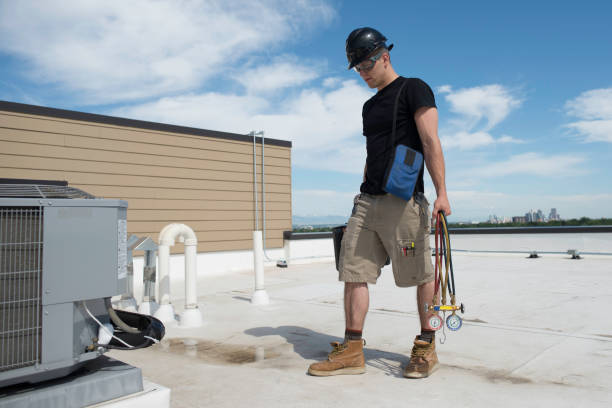
Compared to full-scale installation or replacement of an air conditioner condenser, it may seem that it is a massive task, but the majority of residential property owners can complete the work by equipping themselves with proper tools, preparation, and information. You may have a system that is not coming on anymore or your outdoor condenser unit may appear damaged. A DIY condenser unit replacement of the AC can save you a lot of time and money.
This guide will tell you how to replace an AC condenser, what tools you will require, safety precautions, and when it is time to seek professional help. This is in case you are in Margate, FL where we will give local HVAC advice, as well as the regulations, and where to get the correct parts.
Why should you replace your AC condenser?
The outside of your central air conditioner system is called the condenser unit. It is in charge of discharging internal warmth in your house into the open air. With time, it allegedly ceases functionality as a result of weather, wear, or refrigerant leaks.
When your AC is not cooling, it is humming and not working, or there is a leakage in the AC condenser coil, then it is the best time to change it. Do-it-yourself troubleshooting techniques of the air conditioning condenser are most efficient in situations where you can be able to make an early diagnosis of AC condenser complications.
Preparing for AC Condenser Replacement
What Tools and Safety Steps Do I Need?
Before starting your DIY central air conditioner repair, make sure you have the following:
- Safety gloves and goggles
- Refrigerant recovery tools
- AC unit disconnect box (to safely cut power)
- Screwdrivers, wrenches, and pliers
- Leveling tools
- Shop vacuum
- Pressure testing and refrigerant gauges
- AC condenser pad (for mounting the new unit)
And also, never do anything before turning off the power to the AC unit at the breaker box. Can an AC condenser be changed one oneself? You can do it only by adhering to all safety rules, applying appropriate devices, and learning the principle of functioning of the refrigerant system.
Note: Depending on the area where you reside, such as Margate FL you will be required to inspect HVAC permits and rules of throwing out refrigeration. This will cause fines or legal problems when not handled properly.
Steps to Replace Air Conditioner Condenser
1: Turn off the Power and uninstall the old unit
Begin by turning off every power. Make sure there is no flow of electricity by using the AC disconnect box. Next, remove refrigerant liquid from the AC system with recovery equipment. In Florida and most other locations, this is by law.
After being sure that it is safe, disengage the refrigerant pipes, the wires and take out the mounting screws. Take out the used AC condenser carefully and dispose it as required by the laws in Margate FL that govern the disposal of AC units.
2: Dig the Ground and New Pad
Wipe the area where the old unit was. Clear and put a foundation new AC pad, should there be a need. This assists in stability and drainage. Excessive leveling of the AC units will keep the system efficient and eliminate leaks.
3: Installing and securing the new condenser
Locate the new condenser at the pad. Fasten the newly acquired AC condenser unit with the help of tools. Ensure that there is adequate space for airflow.
To prevent mistakes, always consult the manufacturer’s guide about AC replacement before fixing the parts.
4: Electrical and Refrigerant Line Connection
Rewire the new AC condenser with the electric wiring according to the wiring chart. Hook refrigerant lines with caution. Seal copper piping using brazing tools where necessary.
Check leakage by use of pressure gauges. Next, the air conditioning system AC should be vacuumed to get out the air and moisture. It is an important step.
5: Refrigerant Recharge
Upon sealing, the AC should be charged with refrigerant. Ensure that you are using the right type (e.g., R-22 vs R-410A). The system can be destroyed using the wrong refrigerant.
At Margate, there is control of refrigerants such as R-22. Employ recovery techniques that are approved by the gas and refrigerant.
6: Final Tests / Checking
Switch the power back on and turn on the unit. Examine your car to detect any problems, such as loud or inappropriate sounds or leakages. Have the system cooled correctly and check that the connections are made good.
Upon installation of the new AC unit, it is imperative to test it, thus ensuring it is working as required.
7: Cleaning Up and Maintenance Advice
Put your tools in a box and clean up the working space. Develop a routine of examination and cleaning coils about every several months, and newer filters each month. This prolongs the life of your AC unit and avoids repair in future repairs.
Cost and Considerations: Is It Worth Doing Yourself?
Self-repairing or AC condenser repair will save hundreds of dollars in labor, but one should first consider the facts. It is expensive, depending on the parts and tools you would require. New condensers might be expensive to install at first, but they are more likely to last longer and have higher SEER energy ratings. Even more important in indoor and outdoor units, matching is essential as far as the functionality and validity of warranties are concerned. All you should do is call a professional AC technician to mount it because you are not familiar with refrigerants or electrical wiring.
Local Help: AC Condenser Replacement in Margate, FL
In Margate, looking to change out or have repairs made on your AC, All Services Air Conditioning will be your local reputable provider of home AC services, licensed repairs, emergency service, and refrigerant disposal. We also educate homeowners regarding permits and HVAC regulations and do-it-yourself safety. Tools and parts can be found in any local supply store, or navigate your way back to us, where we will be happy to provide expert assistance in sourcing products and familiarizing yourselves with the mechanics of the Florida HVAC codes and regulations..
Caring for Your New Unit
How Do You Maintain a New Condenser?
- Keep the area clear of plants and debris
- Schedule routine cleanings of the AC condenser coils
- Change filters monthly (AC filter replacement schedule)
- Watch for leaks or strange noises
Even if you’ve repaired yourself, professional AC maintenance once a year can help avoid breakdowns and protect your investment.
Conclusion
Doing an AC condenser replacement on your own can be a clever cost-saving choice as well as a learning experience in how your system functions, but of course, as long as it must be performed safely and correctly. Having the right tools, knowledge, and precautions, homeowners in Margate, FL can do quite a lot of the procedures themselves. Nevertheless, when you are uncertain or have a complicated undertaking, call All Services Air Conditioning and receive professional assistance. Contact us today to ensure your AC runs efficiently, stays code-compliant, and keeps your Margate home cool and comfortable all year round.
What are the signs of a bad AC condenser?
Seek out leaks, unusual noises, or ineffective cooling. When your AC unit hums and fails to start, then it might be the condenser fan motor or the compressor.
Can I replace the outdoor AC unit myself?
With an idea of electrical systems and refrigerant procedure, and the right equipment and local codes, yes. Other, it is better to take an expert.
Do I need a permit to replace an AC condenser in Margate, FL?
Yes. Florida has strict AC permit requirements, especially for refrigerant handling. Always check with local authorities.
How long does it take to replace an AC condenser?
Replacing an AC condenser usually takes 4–8 hours for a DIY homeowner. Professionals can often complete it in 2–4 hours.
What happens if the AC condenser is installed incorrectly?
Incorrect installation can cause leaks, poor cooling, or electrical hazards. It may also void your warranty.


